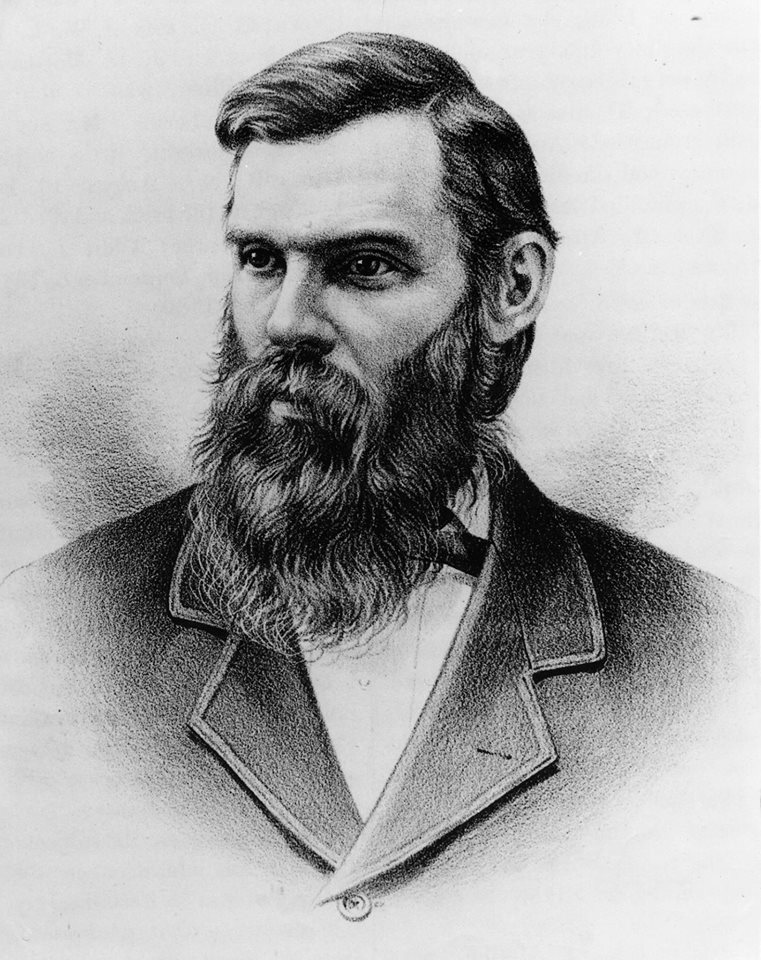
The story of the Reverchon Giant starts long before the day of the parade. In fact, it began more than a century ago- with the real Julien Reverchon, best known as a naturalist and botanist who made headway on the Texas frontier.
His story began in the humble town of Diemoz, France on August 3rd 1837. He was born to Jacques Maximilien and Florine Reverchon, the latter of which inspired a lifelong fascination with flora and fauna in his early education. Julien and his brother often spent hours collecting plants on the french countryside, delighting in their discoveries.
Julien’s life was uprooted in the early 1850s by political revolt and a failed colonial effort in Algeria. Following a socialist utopian philosophy, Julien’s father sought to join the La Réunion colony of Victor P. Considérant, located near Dallas, Texas. Julien and his father migrated across the Atlantic to the new colony, leaving his mother and brother behind. His brother was trusted with the collection of more than 2,000 plants they had amassed over the years.
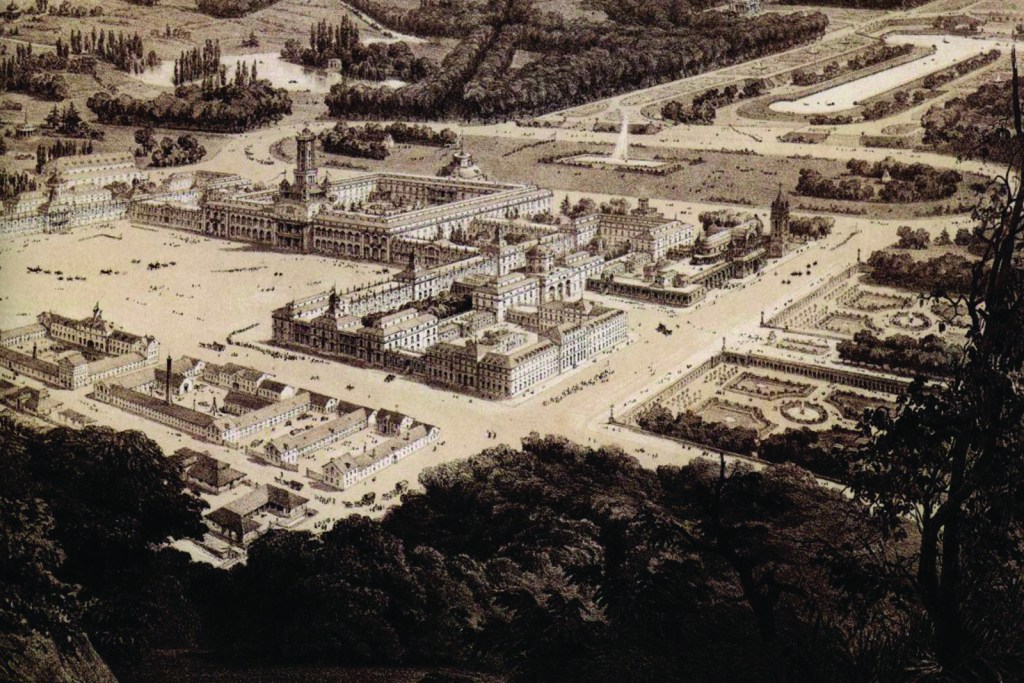
By the time the two arrived in 1856, the La Réunion colony was already in decline. Poor weather, famine, and a lack of experienced farm workers had left the community in shambles. La Réunion’s dissolution was announced in 1857.
With La Réunion gone, the Reverchons settled a nearby farm which later came to be known as Rose Cottage. It was there where Julien returned to his botanical studies, collecting and cataloguing the local flora.
On July 24th 1864, Julien Reverchon was married to Marie Henry, another outcast of the La Reunion colony. By 1867 they had two sons: Michel J. Reverchon and Maximilien P. Reverchon. Shortly following the American Civil War, Reverchon adopted Robert Freeman, whose parents had been killed in the conflict.
For several years, Julien’s focus shifted in favor of maintaining the farm and running a dairy business to keep his family supported. However, his interest in botany never truly waned.
Everything changed in 1869 when Swiss naturalist Jacob Boll visited the area. Boll was on commission from Harvard University to investigate new plant and animal species on the Texas frontier, and during his visit, met Julien Reverchon, who would prove to be an invaluable ally in their studies. Julien chose to join Boll on numerous expeditions across Texas.
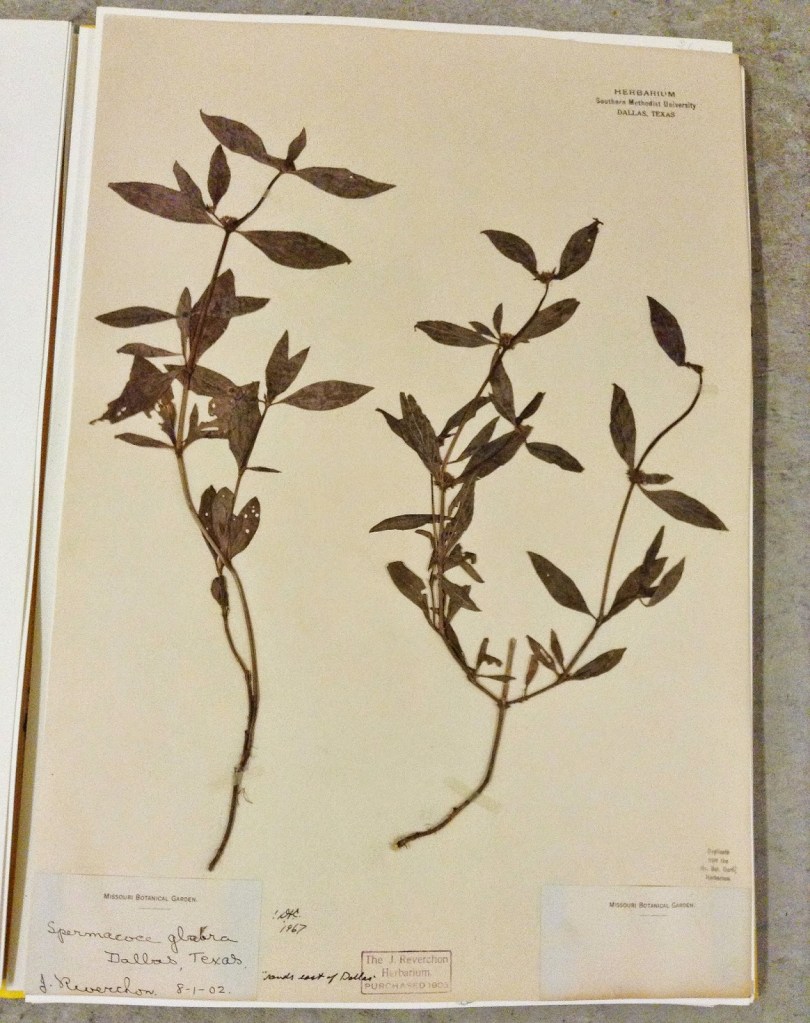
Together, they joined a coalition with Asa Gray, an expert naturalist and friend of the fabled Charles Darwin. Boll and Reverchon would send their samples to Gray, and Gray would catalogue and record the discoveries. Julien and Asa regularly corresponded, their studies continuing through the remainder of the 1800s.
Julien kept many field specimens for himself, and amassed a collection far greater than the one he had left behind in France. Rose Cottage became home to a vast collection of thousands of species and more than 20,000 specimens of Texas flora.
In 1884, Julien lost both of his sons to an outbreak of typhoid fever. One year later in 1885, he embarked on a months-long expedition in Southwest Texas. Julien lived on to have numerous plant species named in his honor, and continued his expeditions across Texas for decades to come. He contributed to the works of Asa Gray, as well as notable titles such as American Botanist and Bulletin of the Torrey Botanical Club. His specimens were used by the Smithsonian Institution and other departments across the United States.
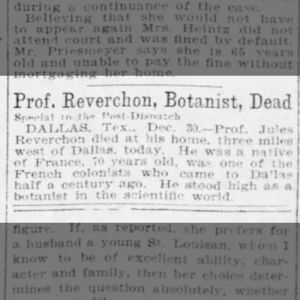
Julien Reverchon spent his final years as a professor of botany at Baylor University College of Medicine and Pharmacy, located in Dallas. He passed away in 1905 from Bright’s Disease at the home of Robert Freeman.
Julien’s collection, considered to be the most elaborate of its time, was secured by the Missouri Botanical Gardens in St. Louis, and is still housed and studied there today. Were it not for his community, Jacob Boll, and Robert Freeman, Julien’s incredible contributions to science and naturalism may have been lost.
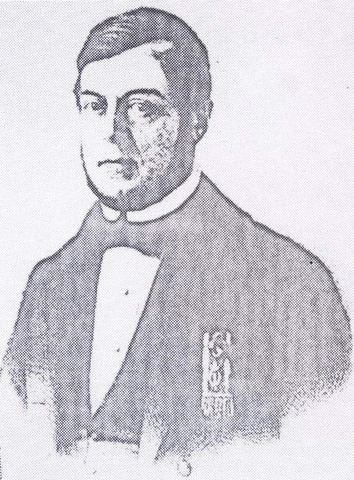
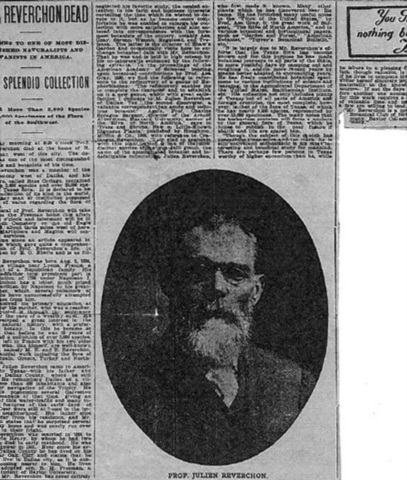
Despite his significant roles in the study of botany and well-documented life, there are few photos of Julien Reverchon. His most famous likeness comes as an artistic expression, posted at the top of this page. However, others have been found in the past few months, including a newspaper clipping featured in The Oldest View.
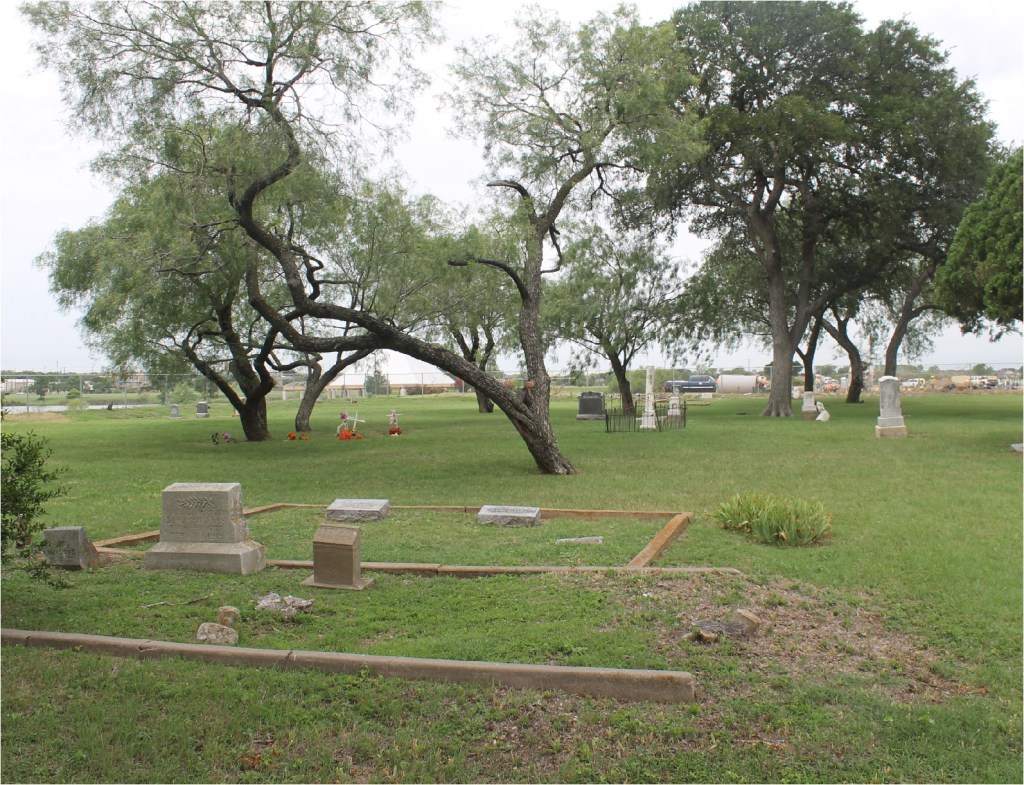
Julien was buried alongside his wife and sons at the La Reunion Cemetery in Dallas.
The impact of Julien’s legacy was one of the key features of the Les Blank documentary, Bridging Utopia. His dedicated segment of the documentary can be seen here:
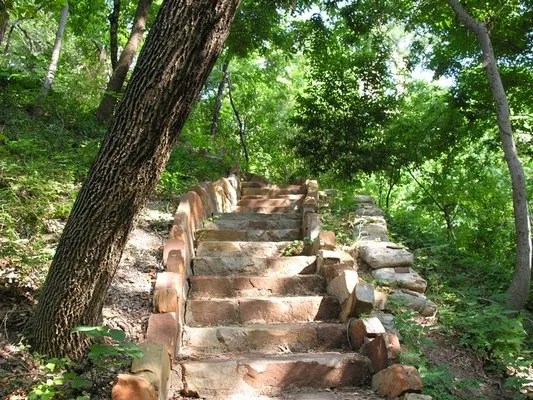
Following his death, in 1915 the city of Dallas renamed the local Turtle Creek Park to Reverchon Park in his honor. It is thought to be one of the places Julien regularly visited when looking for specimens. The park thrived in the coming years, through the Great Depression, two world wars, and into the 1970s.
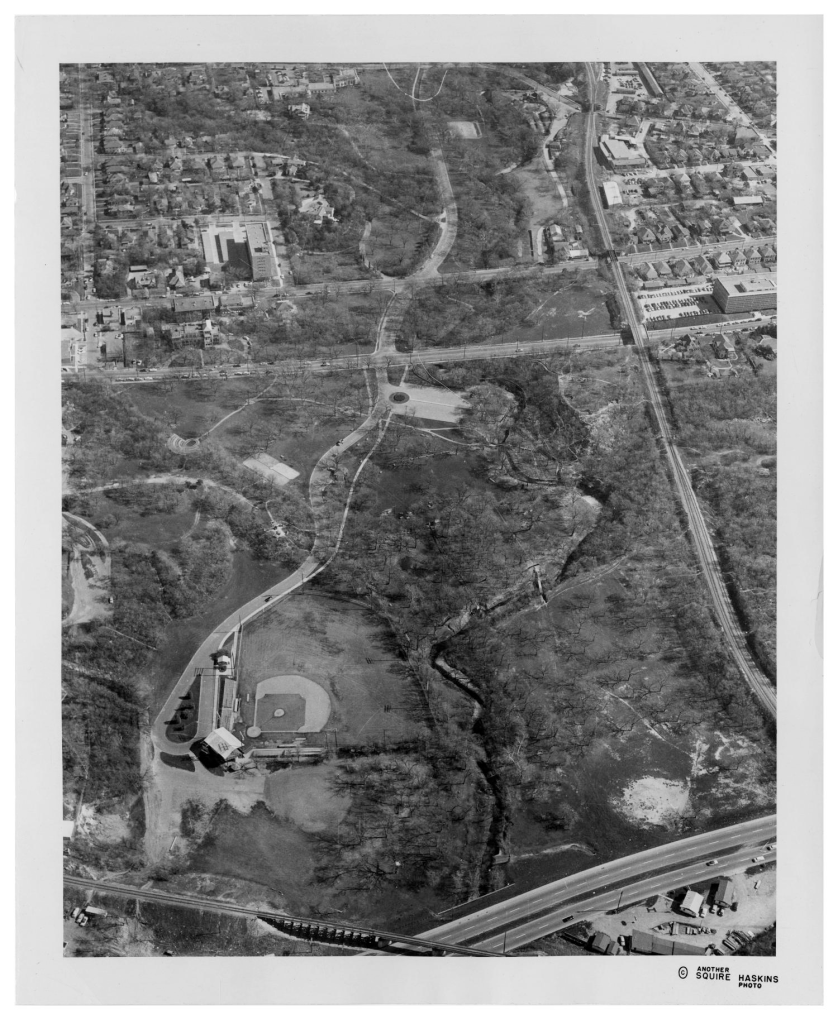
In the 1980s, the city of Dallas halted funding for Reverchon Park. For the next twenty years, Reverchon park fell into obscurity and disrepair, becoming a haven for crime and nearly forgotten altogether in the process.
However, in 1998, a group of more than 400 volunteers began a mass clean-up of the park. This event, later known as the “Reverchon Roundup”, was a rekindling spark for the dying haven. Many of the volunteers later formed a nonprofit known as the Friends of Reverchon Park, an organization with the sole purpose of maintaining and preserving the park. Every spring since 2005, volunteers from the organization have come together for annual park cleanups.
In 2011, volunteers from Friends of Reverchon Park came together for a new purpose: They were going to build a giant Julien Reverchon for Bridge-O-Rama’s Parade of Giants.
This is where the story you may know begins.
 The Rolling Giant Archive